
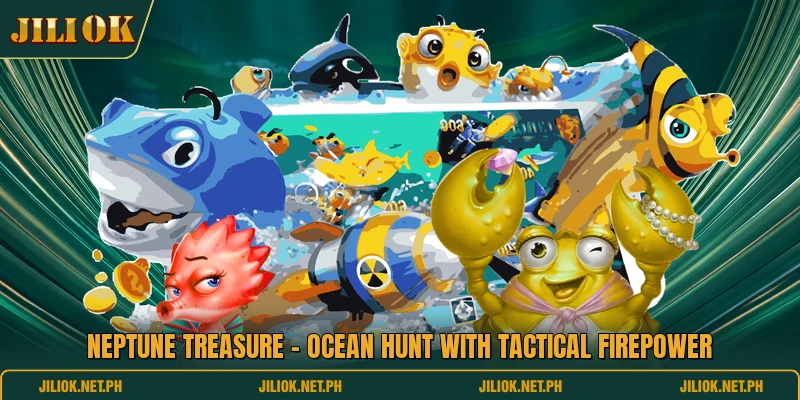
Neptune Treasure turns ocean shooting into moving targets, weapon timing, plus careful round control. Cannon cost, target value, screen density, plus hit rhythm shape each paid shot. This article is written for JILIOK users, to help everyone read fish waves, weapon roles, plus boss pressure, aiming for sharper sea-hunt judgment.
Detailed look at Neptune Treasure
The sea screen uses layered movement, so every target should be read through travel lane, body size, speed, plus expected return before stronger firepower enters play. Small fish usually cross open water in quick groups, while larger creatures drift slower with higher payout pressure across crowded waves. A stable round starts with low exposure, steady aim, plus enough balance room to observe several patterns carefully before any larger chase begins.
Inside Neptune Treasure, the core layout often combines a cannon area, target field, coin counter, weapon switch, plus result feedback after each hit. At JILIOK, rule panels should be checked before longer play because cannon cost, creature rank, special target value, plus bonus triggers can differ by lobby version. Clear reading depends on matching shot size with visible target value rather than reacting to bright animation or sudden screen noise.

Weapon system in Neptune Treasure
Weapon choice shapes the rhythm of each ocean round before larger targets become tempting. Good control comes from reading screen pressure before changing firepower mid-wave.
Cannon shots for small fish
A cannon shot suits smaller sea creatures because its direct line keeps cost easier to track across repeated attempts during calmer waves. In Neptune Treasure, this weapon type works best when tiny targets pass through open space without heavy overlap from turtles, rays, or boss bodies. Measured firing lowers wasted USD exposure, especially during early rounds where the main goal is reading movement rather than forcing quick prizes with patience.
Small-fish hunting still needs discipline because fast icons can create a false sense of easy return after several clean hits across early waves. A practical rhythm uses short bursts, then a pause to inspect new lanes before another group enters the center area. Stronger results usually come from choosing targets already moving across the cannon path, since late shots often chase empty water after the school has shifted away.
Electric net for full creature groups
The electric net changes pace because it focuses on clustered movement rather than single target tracking through tight screen traffic. Its value appears when several creatures overlap in a compact lane, creating broader capture space without requiring perfect aim on each body. Careless use can drain balance quickly, so activation should follow screen density, listed return, plus remaining session limit instead of excitement from a crowded background.
In Neptune Treasure, net timing becomes more useful when medium targets gather near the same zone instead of scattering across separate edges. The tool should not be treated as a miracle catch, since weak placement may only clip low-value icons while stronger creatures escape. Calm review compares group size, creature rank, current cannon cost, plus wave speed before spending extra for wider coverage at a risky moment.
Wide blast bomb damage
A bomb creates wider pressure, so its role fits dense moments where many targets share the same visual space during crowded waves. In Neptune Treasure, this option can support high-impact rounds when larger creatures hide behind small fish or cross near the screen center. The risk sits in overuse, because broad damage feels powerful while each trigger may cost more than several simple cannon attempts during weak traffic.
Bomb timing should stay rare, deliberate, plus linked with visible value rather than used after every missed burst during a noisy screen. A solid entry waits for overlapping bodies, stable aim direction, plus a balance level that can absorb failure without chasing. When the field is thin or spread across corners, smaller shots often protect the session better than forcing a wide explosion into weak traffic.
Using Neptune Treasure for boss hunting
Boss hunting carries the highest screen pressure because large sea monsters attract attention through size, animation, plus listed payout. A boss should be reviewed through entry angle, remaining health cues, cannon strength, nearby blockers, plus current balance before any extended chase begins. Strong visual design can make the target feel urgent, yet missed shots still carry real cost across every second of pursuit during crowded waves.
For Neptune Treasure, a boss route becomes more reasonable when the creature moves slowly through a clear lane with limited overlap. Long chases need strict exit rules, since a target leaving the screen can turn earlier spending into sunk pressure. Better control comes from setting a USD ceiling before the first heavy burst, then stopping once timing, angle, or focus becomes unstable during the final pass.
Weapon switching controls in Neptune Treasure
Weapon changes should feel planned, not reactive, because each tool changes cost pressure instantly across the sea field during active rounds. A clear switch routine keeps aim, balance, plus target value connected before any heavier action begins. This section explains practical actions in compact form, so every change remains tied to visible evidence, not short-term frustration after missed shots or boss movement near crowded lanes.
- Cost check: Review the current shot price before switching, because stronger firepower can shorten a session faster than missed cannon rhythm.
- Target fit: Match the selected weapon with creature size, lane movement, plus crowd density before paying for broader damage.
- Timing reset: Pause briefly after a switch so the next shot follows a fresh lane rather than the previous miss.
- Balance guard: Keep enough USD aside for several normal rounds after any heavy weapon use, since recovery chasing can distort judgment.
- Exit rule: Stop upgrading once the screen turns thin, the boss angle weakens, or focus starts following emotion instead of evidence.

Conclusion
Neptune Treasure rewards calm wave reading, weapon discipline, plus cost control. Strong rhythm comes from judging target value, lane movement, tool timing, plus boss pressure. Create an account through JILIOK, keep each cannon choice steady and let better timing guide every shot with good luck.