
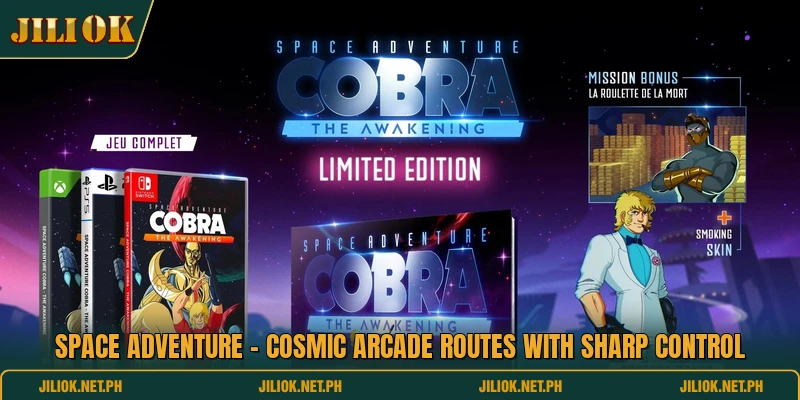
Space Adventure turns arcade space combat into a clear path of movement, target reading, plus ship control. This article is written for arcade players, to help everyone grasp mission rhythm, screen pressure, plus craft roles, aimed at calmer round judgment. Track the route on JILIOK, then keep each launch crisp.
Story pull inside Space Adventure
A strong arcade plot does not need heavy lore to feel memorable, because clean pressure can guide every screen with purpose. The space route gives each mission a visible reason to move forward, from broken asteroid lanes to enemy waves near distant bases and damaged satellite paths. That direction keeps the player focused on timing, ship position, plus target order instead of loose visual noise during each shifting encounter.
The charm of Space Adventure comes from its steady mission flow, where danger rises through movement rather than long explanation or crowded storytelling. Small enemy units create early rhythm, while larger threats push sharper judgment when the screen becomes crowded with sudden attack lines. Each stage feels more controlled when distance, escape space, plus firing moments are reviewed before chasing bright targets across risky lanes.
Story tension also grows through the feeling of travel across unstable zones, where every screen suggests another risk ahead after each cleared wave. The arcade pace stays compact, yet the route still gives enough context for each wave to feel connected through motion. That balance helps the game feel clear, active, plus easy to follow without forcing heavy plot details into every mission.
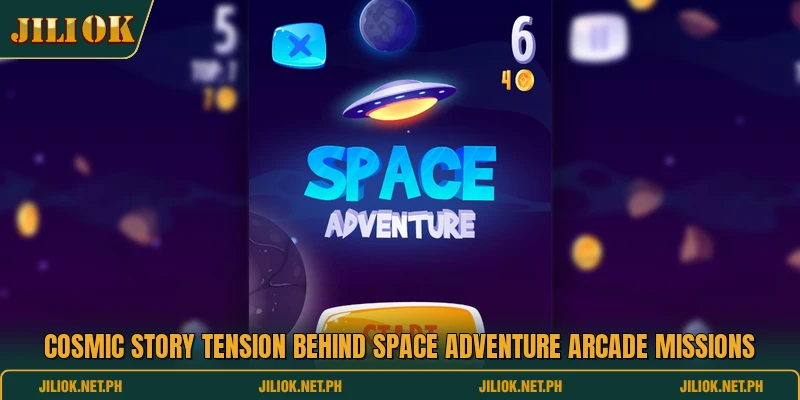
Ship system in Space Adventure
Ship choice shapes how each mission feels before the first enemy crosses the screen. JILIOK stays only as a neutral access label, while craft logic remains central here.
Basic fighter craft for new players
A basic fighter should feel light, readable, plus forgiving during early mission pressure. Its value sits in quick movement, simple firing lines, plus stable handling when enemy waves appear from several angles. New arcade players often need that plain structure because heavy weapons can distract from route reading, shield timing, plus clean exits near the screen edge.
This craft type fits Space Adventure when the goal is learning rhythm before stronger machines enter later rounds. A lighter ship helps the player notice how enemies drift, when shots should pause, plus which lane offers safer movement. That foundation matters because arcade space battles reward calm position control more than constant firing across every target.
Heavy assault spaceship with strong impact
A heavy assault ship changes the round by turning each shot into a more serious decision. Bigger firepower can clear clustered targets faster, yet slower movement creates risk when threats appear from narrow side lanes. The player needs to judge screen space carefully, because strong weapons lose value when poor placement forces repeated damage.
This style suits Space Adventure during missions where sturdy enemies require deeper pressure across fewer firing windows. The craft feels powerful, yet its rhythm should stay measured through short bursts, planned turns, plus safe retreat lanes. Strong impact works best when the player waits for clean angles instead of wasting fire during scattered enemy movement.
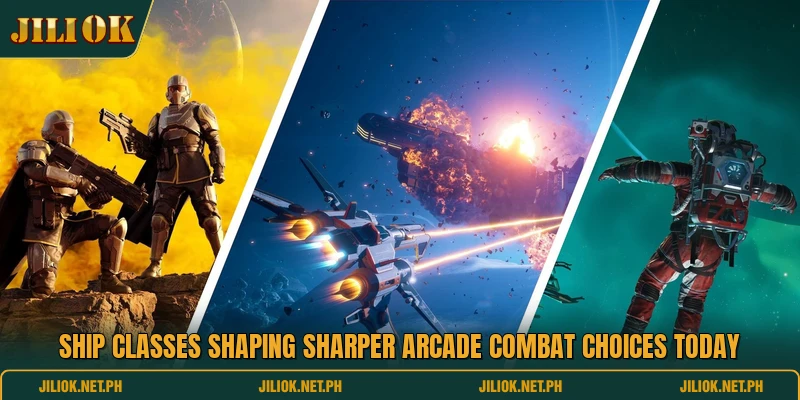
Advanced Space Adventure spacecraft systems
An advanced spacecraft can make each arcade round feel sharper because several systems react to screen pressure at once. Fast steering, focused beams, plus defensive tools create a flexible rhythm when enemy routes change quickly. The player still needs restraint, since advanced equipment can invite rushed decisions during crowded waves or sudden boss movement.
This high tier role supports the game by giving skilled players more room to shape difficult missions. Strong tools help control danger zones, yet the best results still come from reading travel paths before firing. A polished craft should feel precise rather than loud, with each movement serving the route, the target, plus the next safe lane.
Exploring the defensive space station
A defensive station adds a different tone because the player reads attack patterns from a fixed pressure point. Instead of chasing enemies freely, the mission asks for clean protection, timed fire, plus careful shield attention. This setup can slow the arcade rhythm in a useful way, making each wave feel more tactical than a normal chase route.
Within Space Adventure, station defense can turn simple survival into a clear test of patience. The screen often asks for target sorting, because small threats may weaken shields while larger units absorb too much focus. Strong play comes from protecting core zones, saving heavy fire for key moments, plus refusing risky shots that leave blind spots exposed.
Entertainment value from Space Adventure
Arcade value works best when action feels clear, readable, plus connected to player decisions. This game style keeps attention on movement, timing, craft control, plus mission pressure. Those parts support replay value because each round can feel different without needing complex rule layers.
- Mission rhythm: Space Adventure keeps rounds lively through changing routes, enemy pressure, plus compact objectives that reward careful movement rather than random firing.
- Ship variety: Different craft roles create fresh pacing because light fighters, heavy ships, advanced tools, plus station defense shape separate decision patterns.
- Screen reading: Crowded waves train sharper focus, since target size, travel direction, shield space, plus firing windows must be checked quickly.
- Replay flow: Short missions suit arcade sessions because each route can be reviewed, adjusted, then approached with calmer timing.
- Control discipline: Better play grows from measured shots, planned movement, plus awareness of danger lanes before stronger enemies appear.
- Resource balance: Stronger weapons can feel tempting, yet careful use helps each round stay steady when enemies arrive from several lanes.
- Boss pressure: Larger threats create sharper tension because timing, distance, shield space, plus safe firing windows must stay connected.
Conclusion
Space Adventure works as an arcade title because its space route, ship system, plus mission pressure stay clear. The strongest value comes from steady movement, target review, plus craft choice instead of rushed firing. Create an account through JILIOK, then keep every launch focused, patient, plus lucky.