

Dino Rush builds a quick arcade route through ancient paths, hazards, plus score pressure. Each jump, slide, pickup, plus shield moment needs calm reading. This article is written for arcade players, helping everyone understand game rhythm clearly, with the purpose of keeping each run steadier through JILIOK today.
Gameplay rules that shape Dino Rush
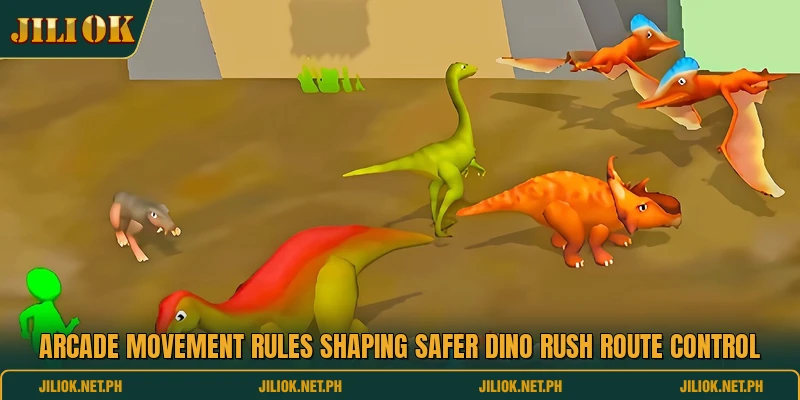
Fast route control defines this arcade format because each screen asks for quick reading before score pressure rises. Hazards rarely feel random when movement lanes, item timing, plus creature patterns are observed with patience across each turn. Stronger runs come from steady input, clean recovery, smart risk limits, plus early lane review before speed turns simple mistakes into lost distance, broken rhythm, or rushed restarts during harder track pressure.
- Route reading: Watch lane spacing before moving because Dino Rush rewards early judgment when obstacles stack near ramps, bones, or gaps.
- Jump timing: Press late only when landing space looks safe, since rushed leaps can meet spikes, pits, or moving creatures with poor recovery.
- Speed control: Keep movement steady during faster waves, since panic taps often create double errors after a missed landing or blocked route.
- Recovery focus: Return to safe rhythm after damage, because long arcade runs can still survive when mistakes are contained quickly.
Item system inside Dino Rush
Item rhythm gives each run a sharper layer beyond basic movement control. Clear pickup timing can shift pressure without turning the screen into clutter.
Chicken drumstick fuel for stronger stamina
Stamina support matters because long routes can drain focus after several crowded waves, especially when terrain shifts quickly. A drumstick pickup should be read as a rhythm reset, not a reason to rush forward without checking the next gap. Careful use keeps movement calmer when Dino Rush places hazards close to reward lines, especially during sections where speed rises before the screen feels ready for safer input across rough prehistoric lanes.
A stronger stamina window helps extend route planning across rough terrain, yet careless taps can waste that benefit quickly. Players should treat extra energy as space for cleaner judgment, with each jump or slide tied to visible lane safety plus recovery room. This approach keeps item value practical because stamina means little when movement turns loose, late, or too aggressive near spikes, cliffs, sudden turns, crowded edges, or tight creature paths.
Finding Dino Rush on the ranking board
Ranking boards give score pursuit a public shape, though each position still depends on stable runs rather than lucky bursts. Names near higher placements usually reflect better route memory, cleaner pickup choices, fewer damage moments, plus sharper focus across repeated sessions. The board should be read as a progress marker, not pressure to copy risky patterns from faster players during tense attempts, late streaks, or uneven focus.
Score chasing works best when every attempt has a visible reason behind it, such as improving distance, reducing contact, or collecting more rewards safely. A player using JILIOK should compare recent runs with older scores, then review where control started to fade during harsher route segments. This habit turns ranking pressure into useful feedback instead of a rushed cycle of short attempts with little learning, weaker timing, or repeated errors.

Magnetic pull for automatic treasure pickup
Magnetic pickup tools reduce aim pressure because nearby rewards move toward the runner without constant lane changes or forced turns. This effect supports smoother lines through Dino Rush, especially when coins or small treasures sit near hazards that would normally tempt risky movement. The best use appears when the player stays centered, then lets the item handle collection while focus stays on survival through unstable ground near sharper drops.
Automatic treasure pickup should not become an excuse to ignore route quality during narrow passages or sudden downhill sections. A magnet can collect value from awkward spaces, yet it cannot correct a late jump, blocked landing, or poor shield choice. Cleaner runs come from keeping the body path safe first, then letting the item improve score without pulling attention away from coming threats, tricky landings, or sudden gaps.
Shield guard against spike damage
Shield protection helps when spike sections tighten movement space across narrow lanes or rising platforms with short recovery gaps. Its value is strongest before crowded hazard patterns, because protection can absorb contact that would otherwise end a promising attempt. In Dino Rush, shield timing should feel planned rather than desperate, since late activation often comes after control has already started to break near sharp terrain or tight turns.
Protection also changes how risky routes should be judged during short bursts where danger density rises near rewards. A shield can justify passing through a difficult section, yet it should not invite careless collisions across every obstacle. Smart play keeps the guard for moments where danger density is clear, then returns to normal caution once the protected window fades beyond the hardest lane or crowded ramp.
Record scoring tips for Dino Rush
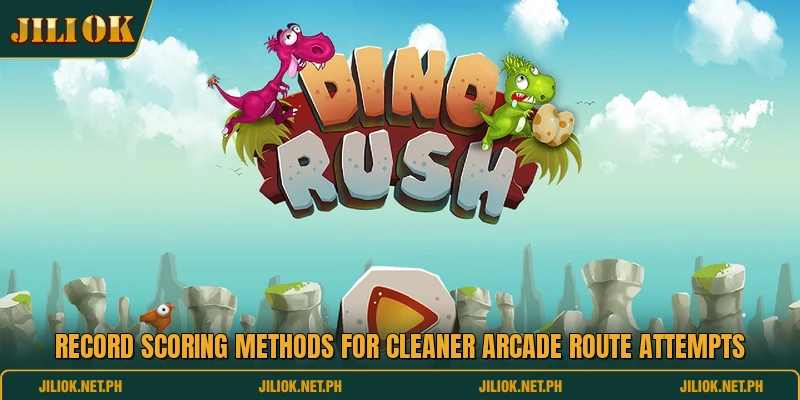
High scores come from controlled repetition, not dramatic movement every time the track becomes crowded. Each run should leave a small clue about timing, pickup choice, hazard placement, plus route comfort during faster sections. Better records grow when pressure is broken into readable pieces, so speed feels sharp without turning every decision into a guess or a tilted reaction after missed rewards, harsh landings, or blocked routes.
- Start calmly: Build early rhythm before chasing score, because clean first sections give Dino Rush runs more room for later mistakes.
- Track weak zones: Note where damage repeats, then slow future choices around those patterns instead of blaming speed or crowded visuals.
- Use items late: Save strong pickups for tense sections when possible, since early activation often wastes value before danger truly rises.
- Avoid forced coins: Skip rewards placed beside hazards when lane recovery looks poor, because distance usually protects score better than greed.
- Review endings: Study how each run fails, since final mistakes often reveal the next practical fix for a stronger record attempt.
Conclusion
Arcade value in Dino Rush comes from route reading, item use, plus steady score review. Each run feels stronger when stamina, magnets, shields, plus ranking pressure become decision tools rather than noise. Download the app through JILIOK, keep movement measured, plus let better timing guide the next record chase with luck.